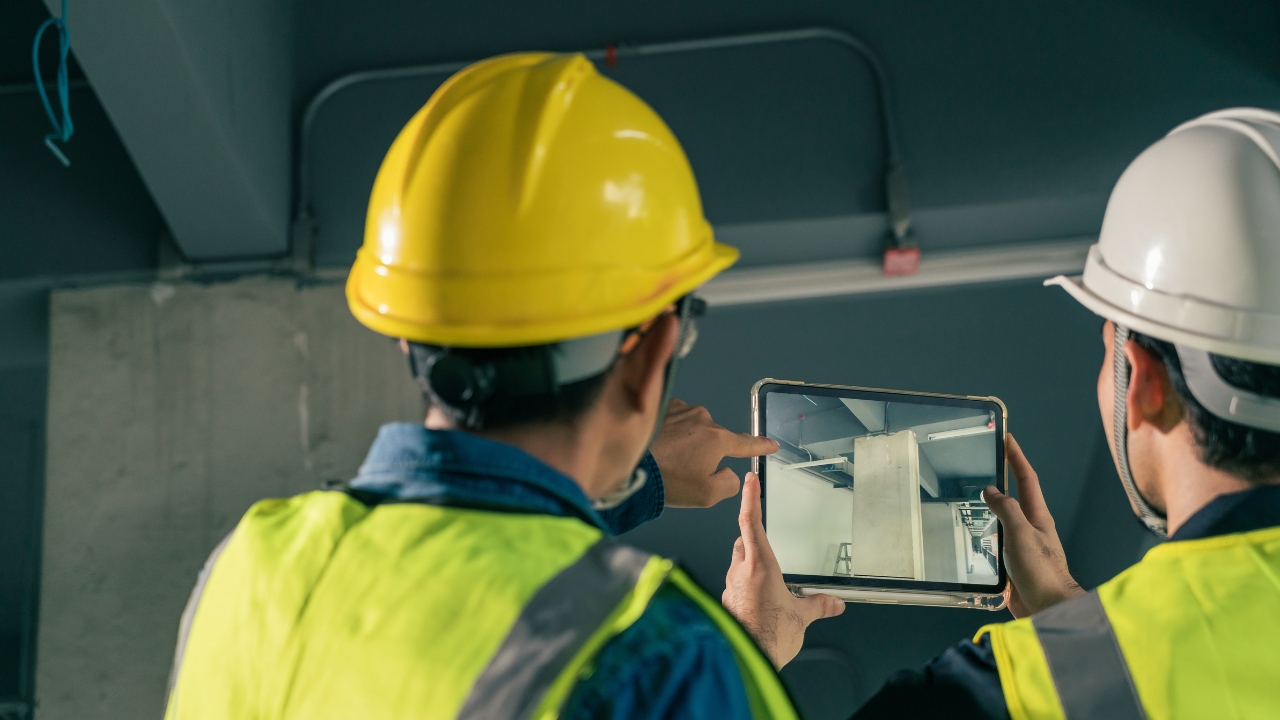


Transitioning from academics to the professional world is one of the biggest challenges students face today. While education builds foundational knowledge, it often lacks real-world context, leaving graduates unprepared for workplace expectations.
The gap between classroom learning and corporate reality can feel overwhelming — new tools, communication styles, performance pressure, and professional accountability.
Why This Gap Exists
- Limited industry exposure during education
- Focus on theory rather than application
- Lack of professional communication skills
- Minimal guidance from industry experts
How Industry Exposure Helps
Real industry interactions help students understand:
- Workplace culture and expectations
- Practical use of skills
- Role-specific responsibilities
- Career pathways within industries
Platforms that enable mentorship, career talks, and professional interaction help students enter the workforce with confidence instead of confusion.
Conclusion
Learning doesn’t stop at graduation. When education is complemented with real-world exposure, students become industry-ready professionals.